INFOPLANET · FULL-STACK DEVELOPMENT · INTEGRATIONS · OPERATIONS
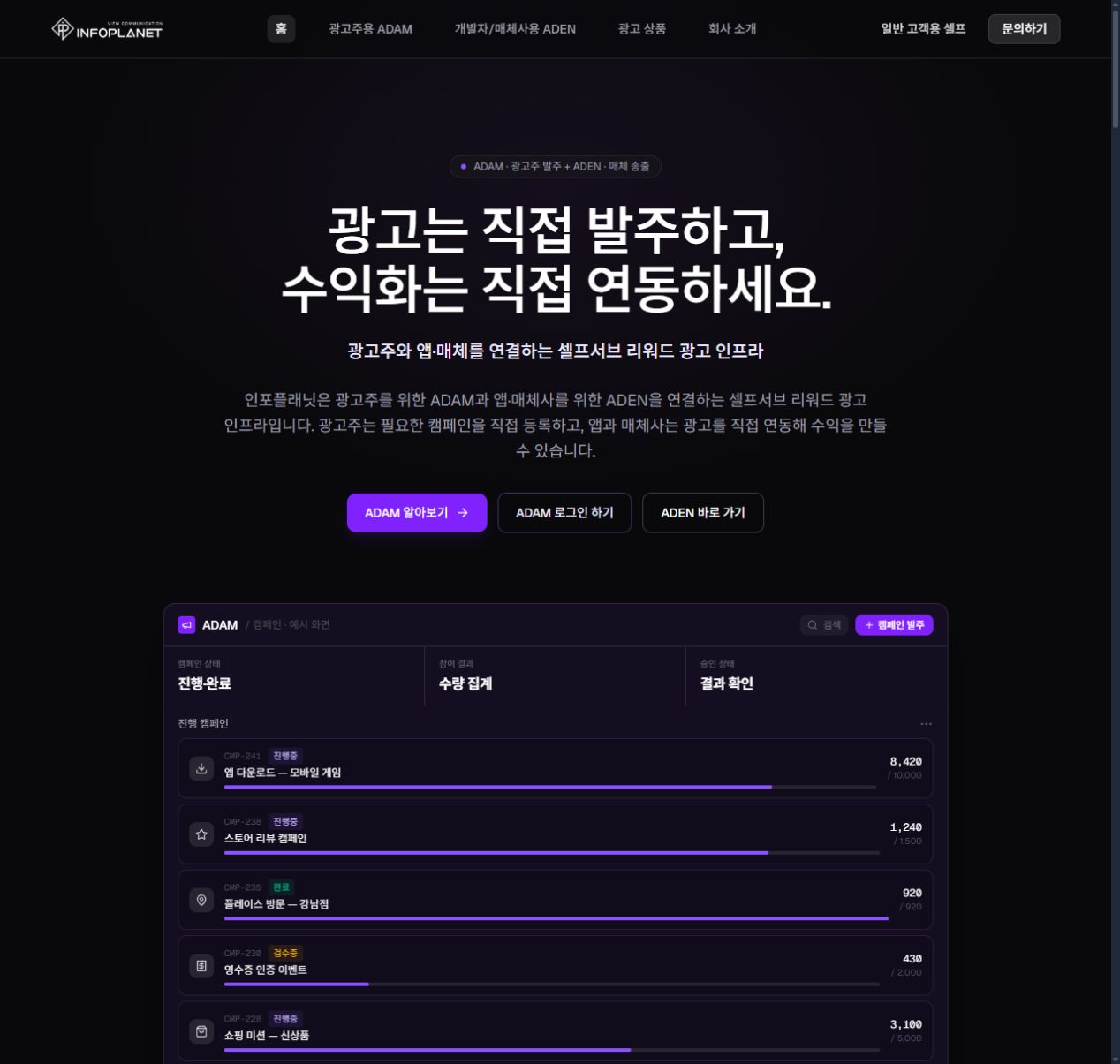
ADAM & ADEN
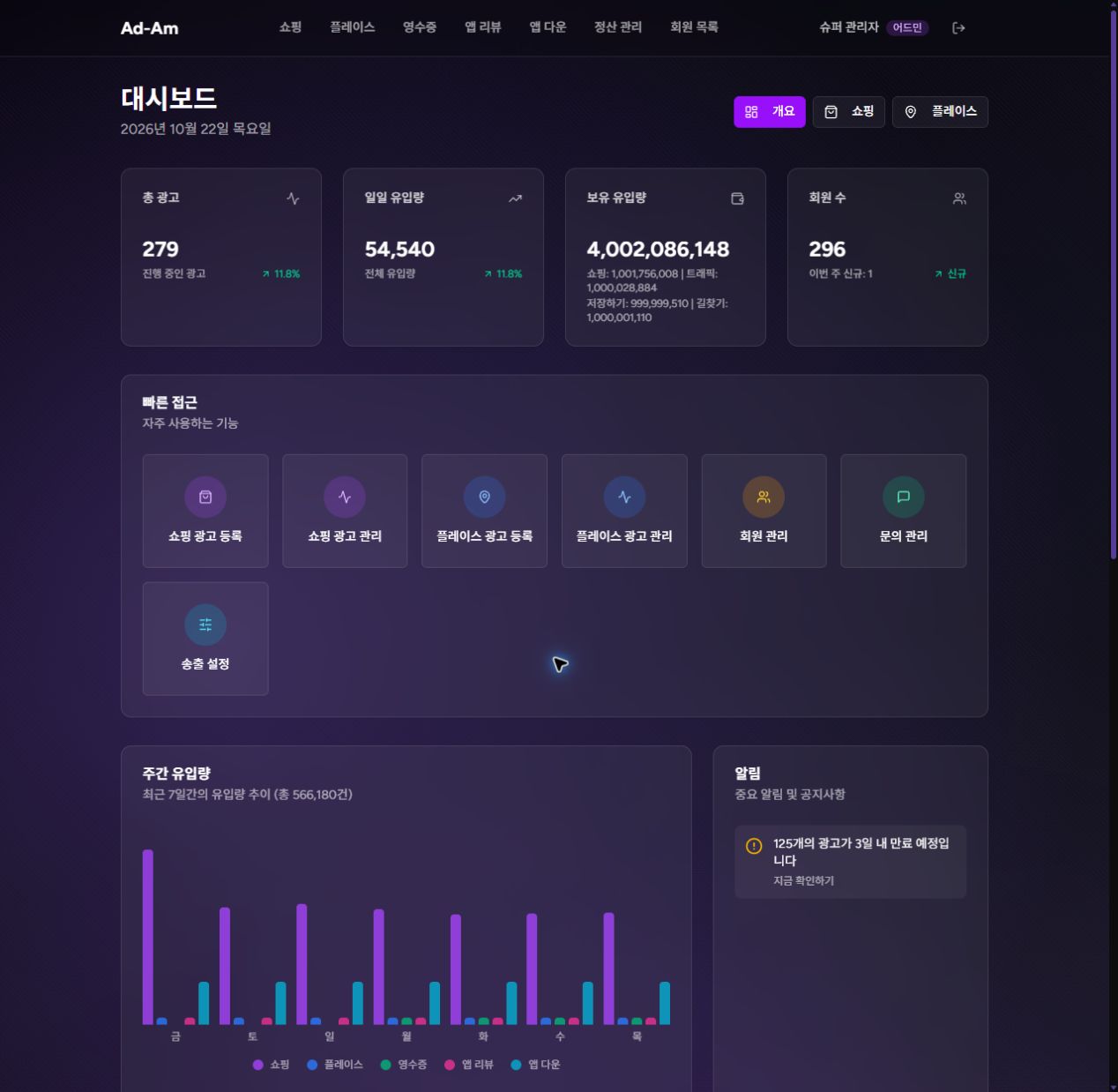
The platform was ready.
It needed a way to reach users.
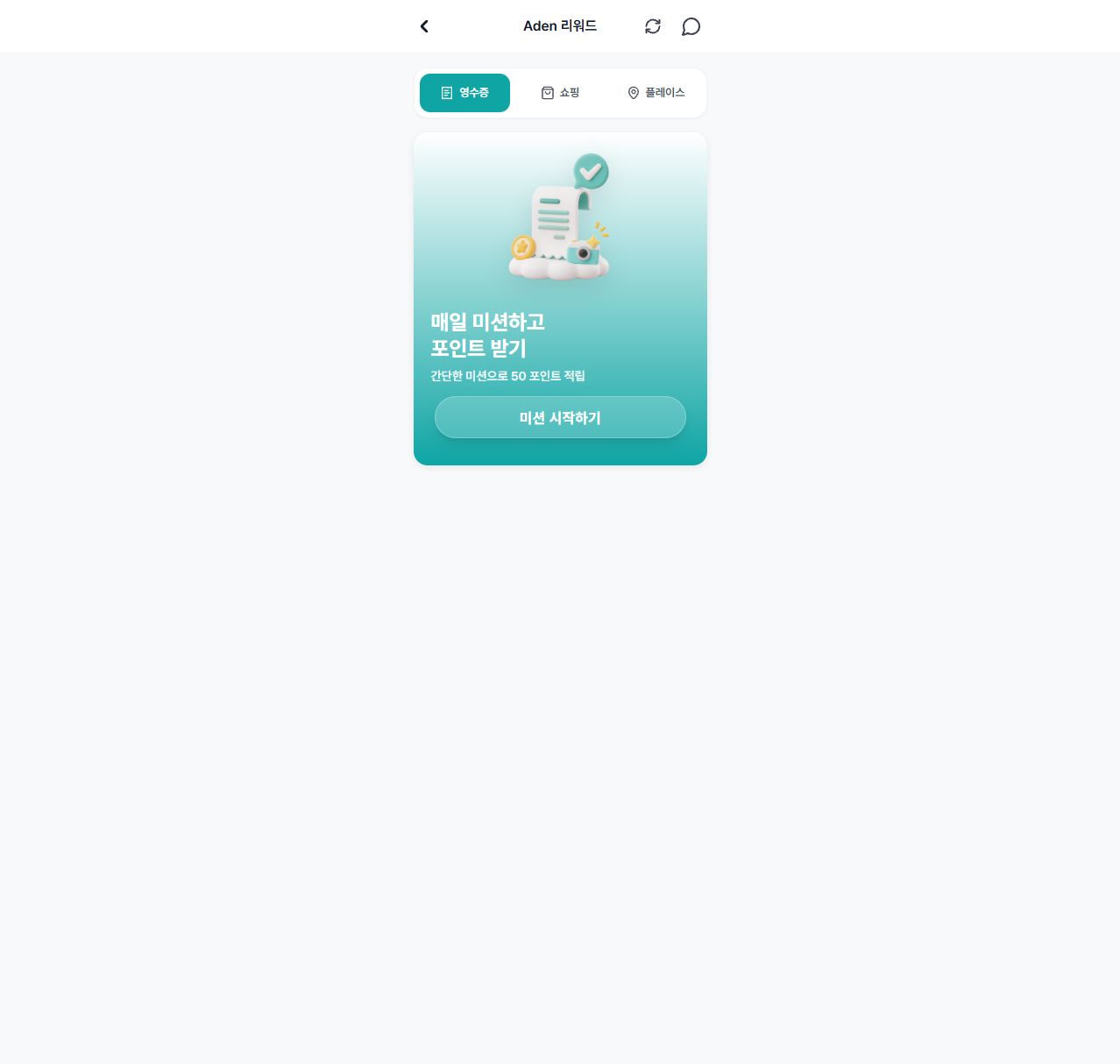
InfoPlanet had advertisers and a working platform I’d built, but getting it into partner apps had stalled for about a year. I took on publisher acquisition alongside engineering to get the ads in front of users.
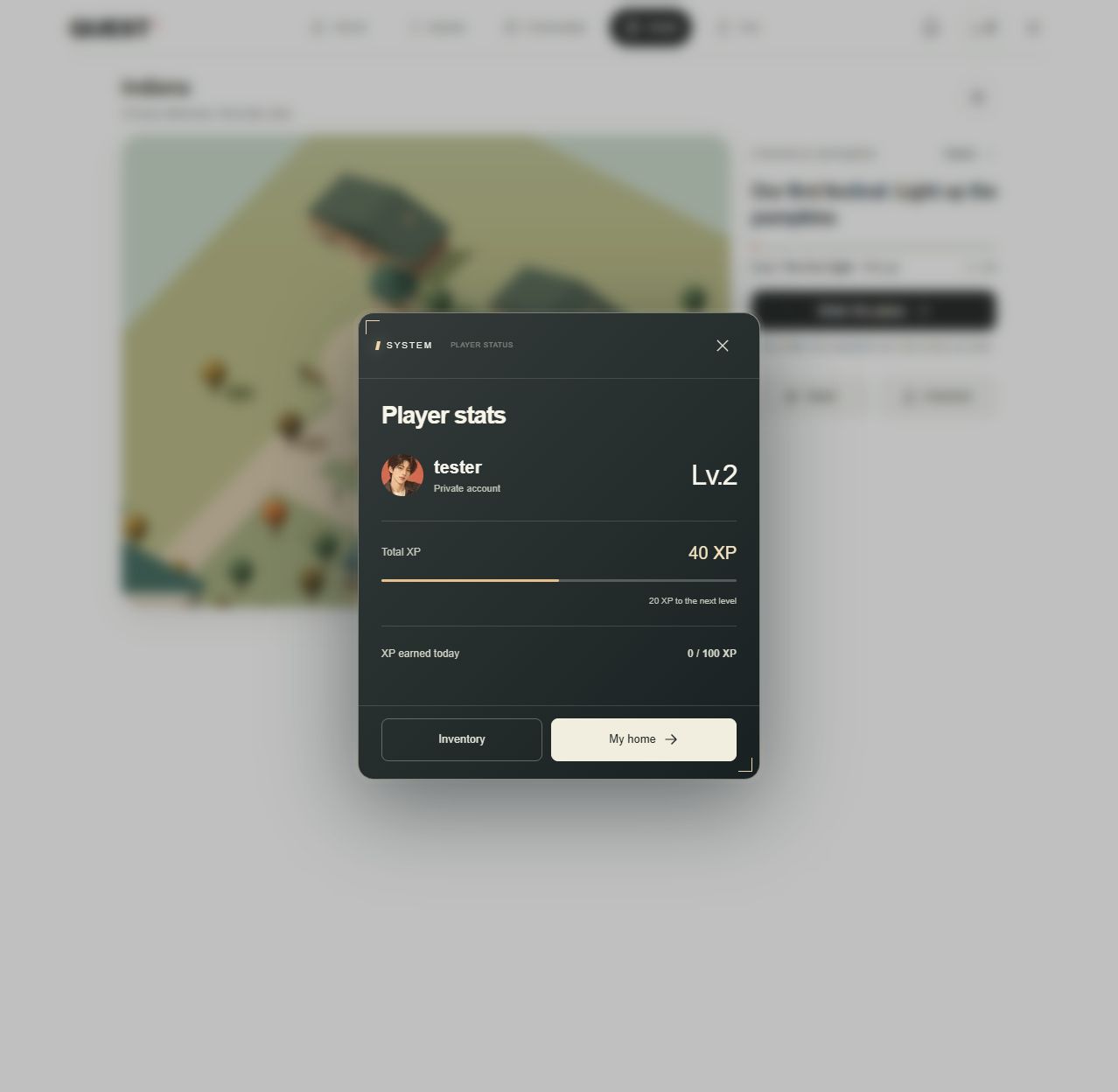
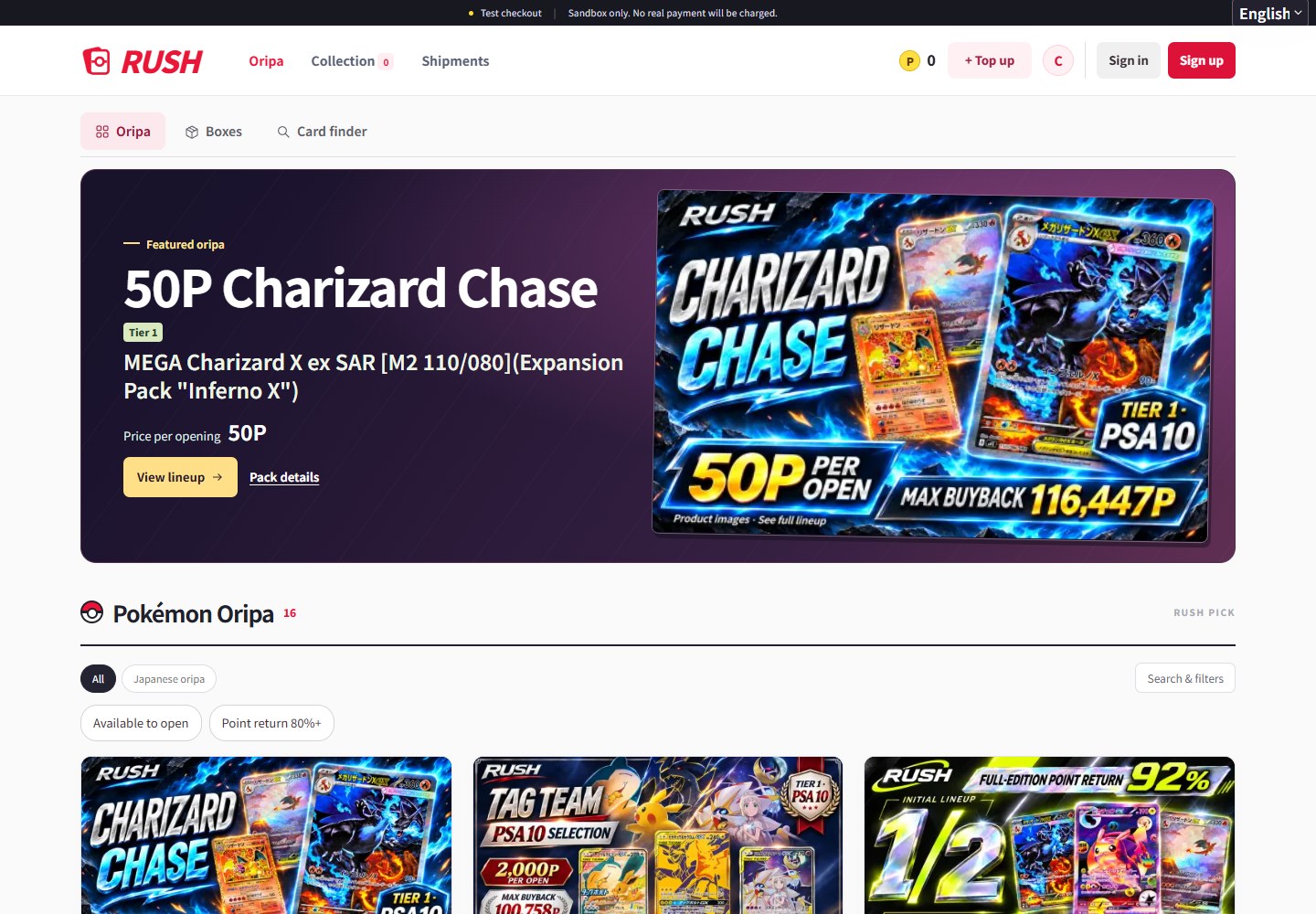
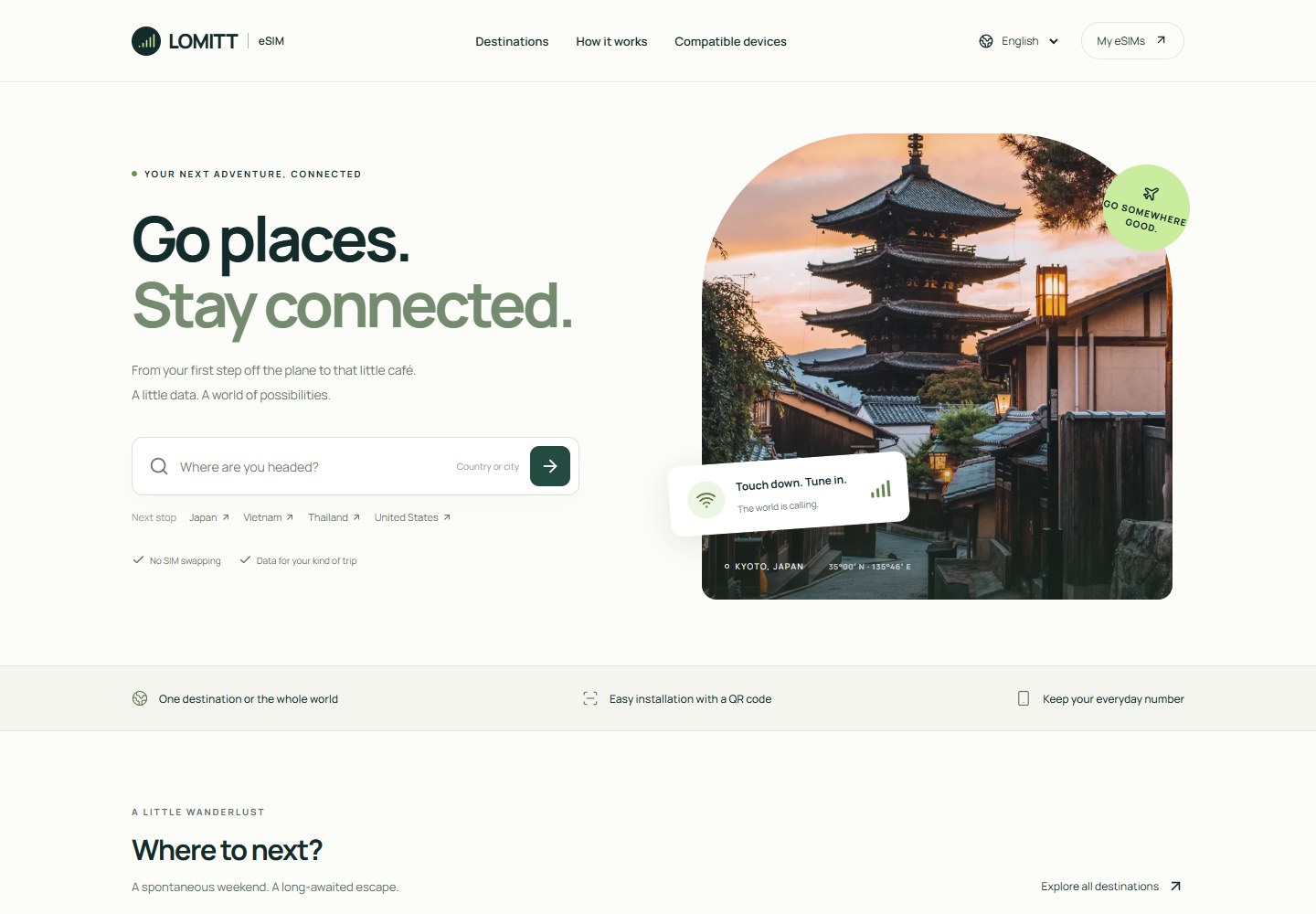
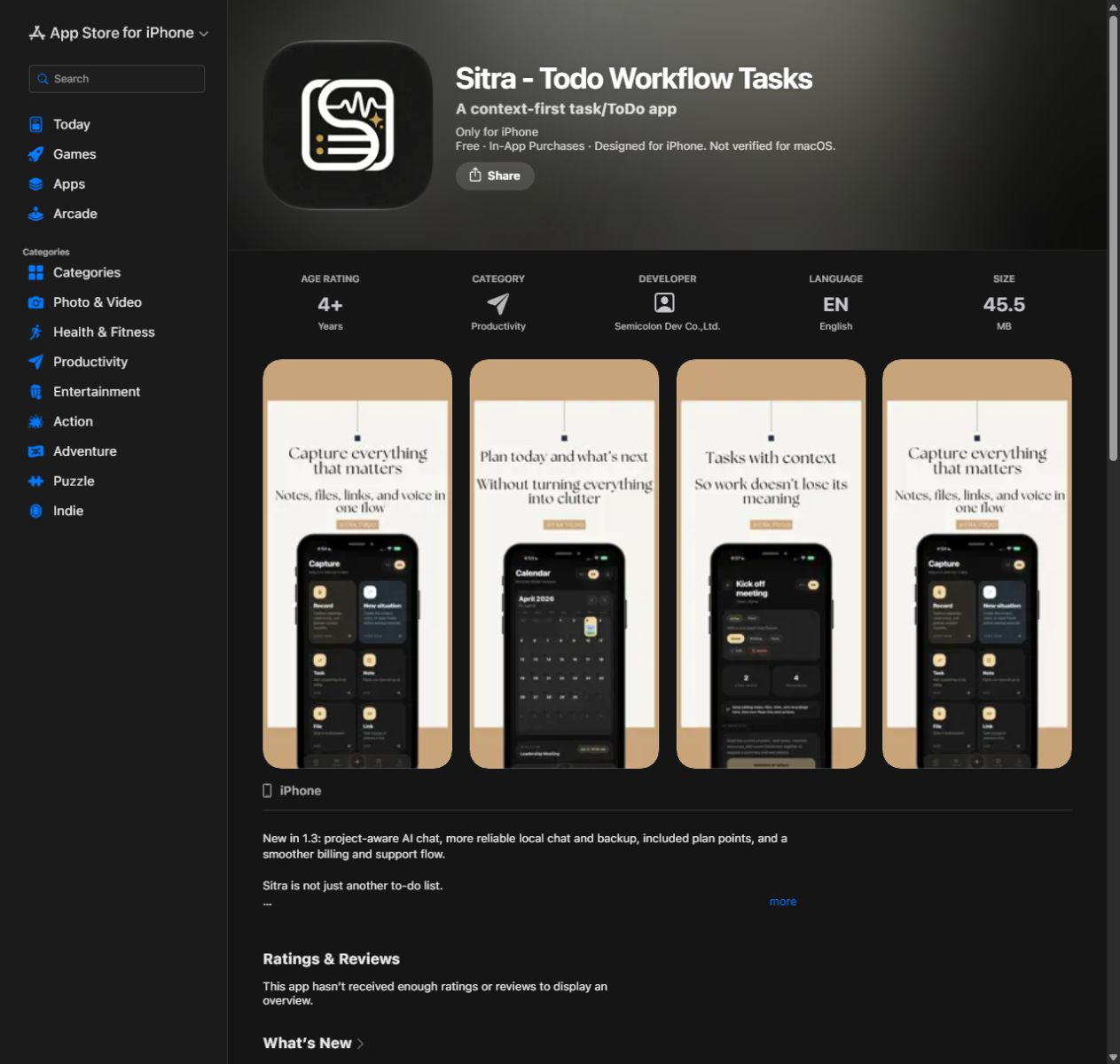
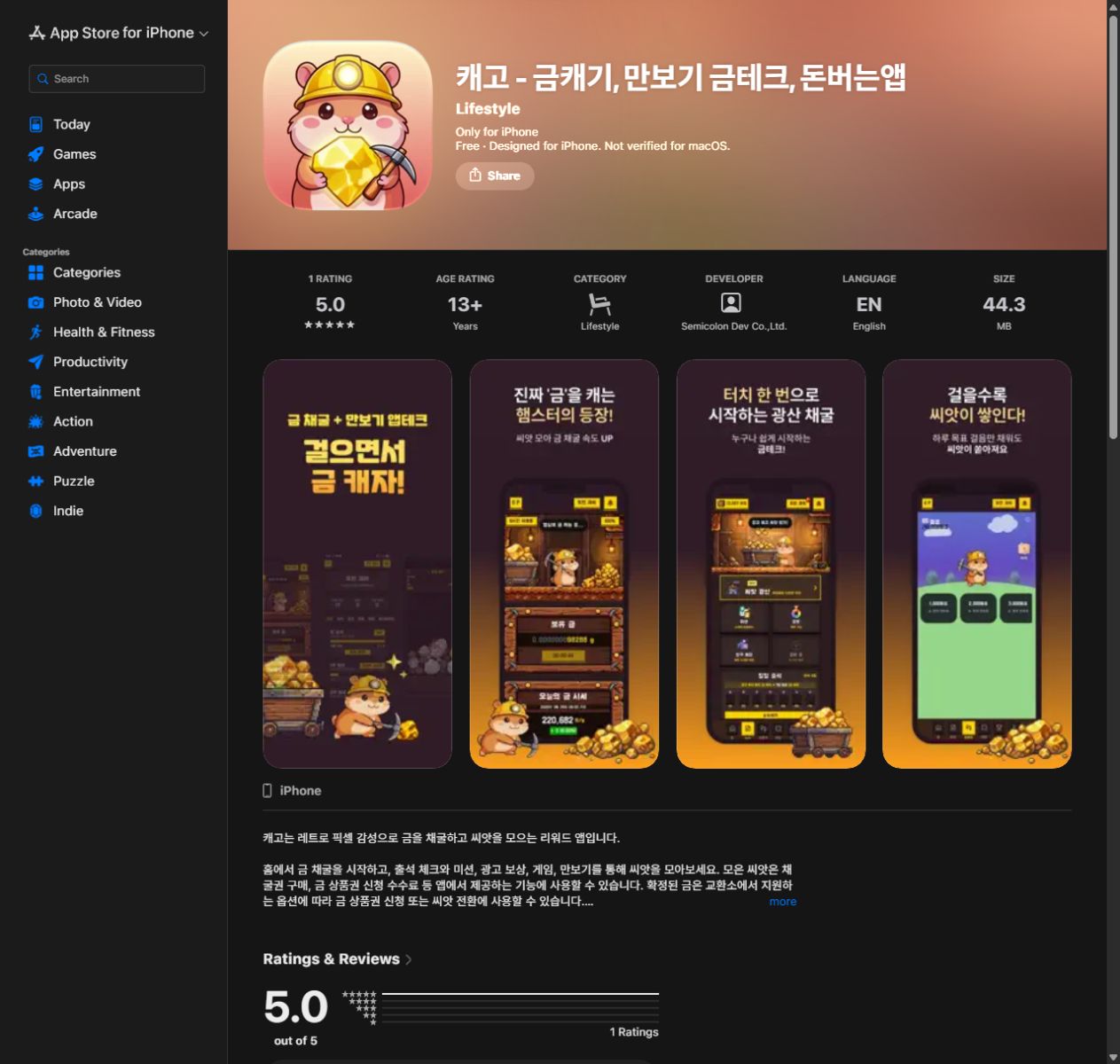
I connected an existing distribution channel to get things moving, then approached developers with newly launched apps. As the network grew, I built integration tools, dashboards, and automated workflows to handle the growing volume of small payouts and repetitive operations.
- Completed ad tasks per day
- ~20,000
- Sustained for
- ~5 months
These are founder-reported operating figures. The 20,000 figure counts completed ad tasks, not unique users. After successive improvements, recent support volume has been around five inquiries a day.
Inside the system: speed, validation, and reliability
Accept the submission. Validate before delivery.
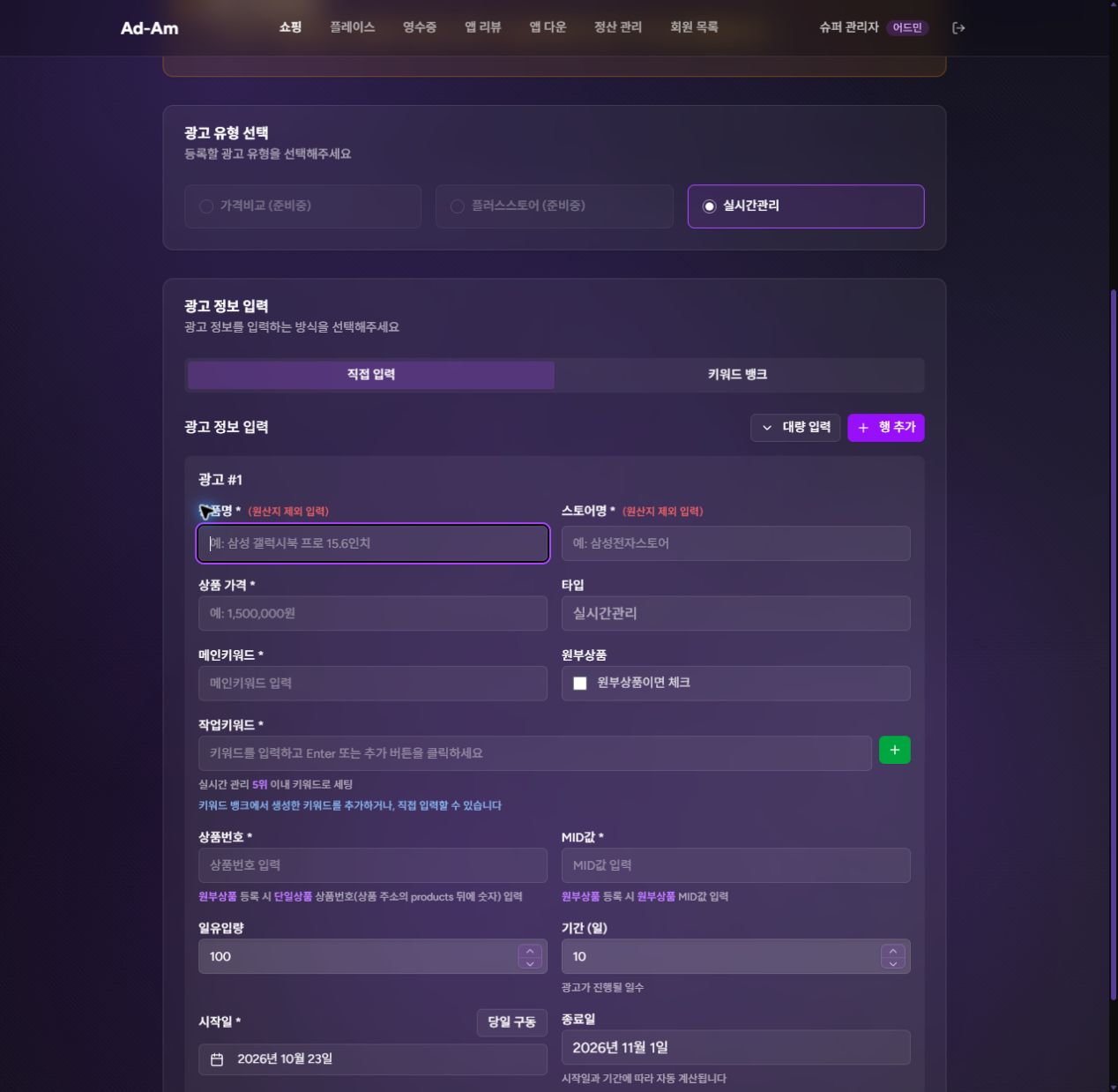
Checking campaign data during submission caught bad inputs but made advertisers wait. I moved the slower checks into parallel serverless jobs: submissions are accepted immediately, and ads go live only after validation. Lightweight checks still run at entry.
Move work out of long-running requests.
Data collection could exceed a serverless request’s time limit. I used API calls triggered by campaign submission and list views, and built a Chrome extension that lets advertisers collect some campaign information on their own computers.
Catch problems after an ad goes live.
When different users repeatedly fail the same ad task, the system pauses that ad for the advertiser to correct. I also built Codex-assisted support workflows and a backup server in a separate environment to reduce reliance on constant manual intervention.
The engineering problem extended into operations: how long people wait, where work runs, how failures are caught, and when a person needs to step in.